

Visit Logo

Ästad Vingård

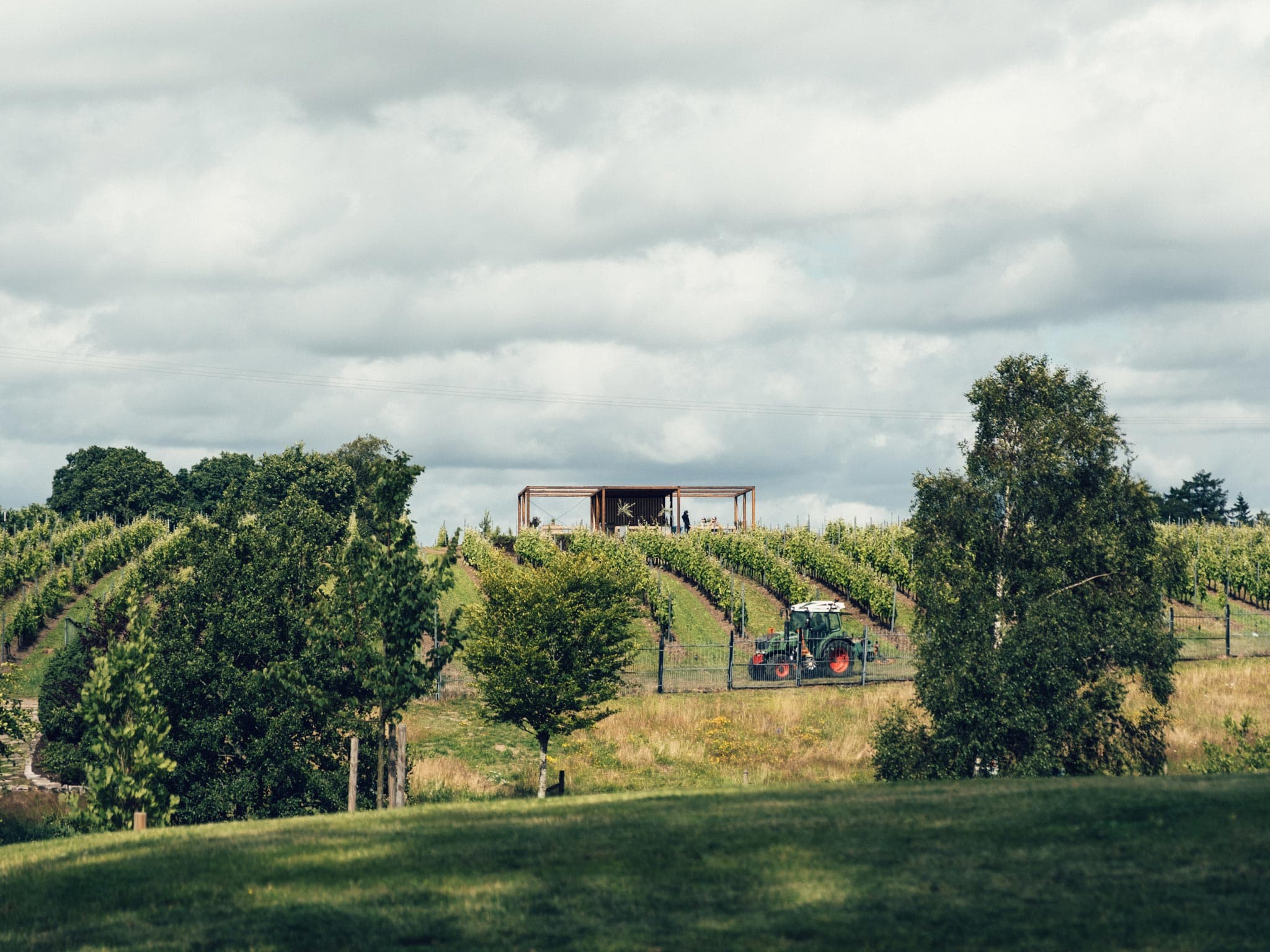
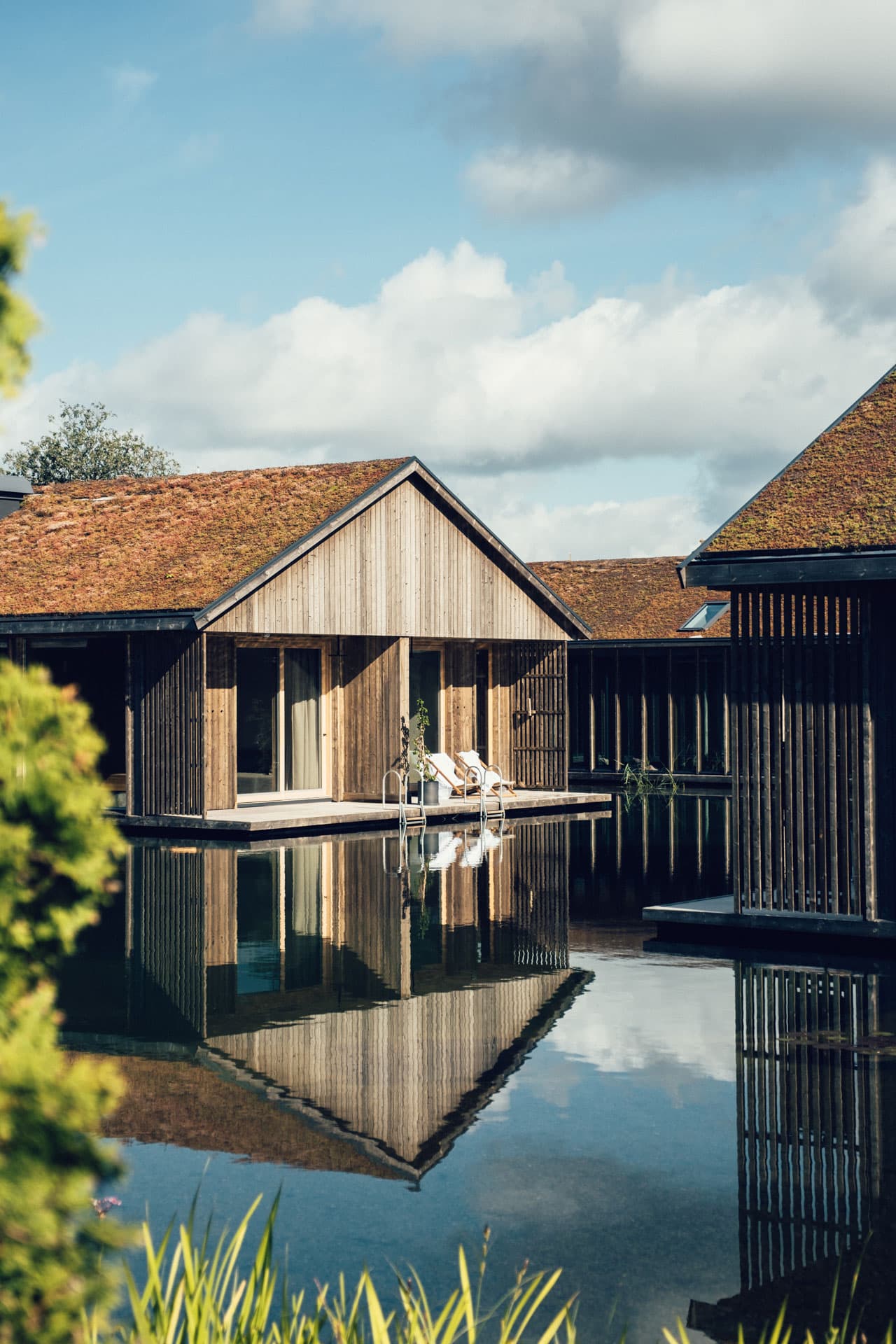
Ästad Vingård is an award-winning destination in western Sweden, offering accommodation, Michelin-star restaurants, a large spa and wellness area, as well as its own vineyard. With more than 60 rooms and a broad range of experiences, the destination is designed to give guests a complete stay in one place.

At the heart of their operations sits a fully integrated technology stack: VISIT's All-in-One PMS (powered by VisBook), Hospitality Commerce (powered by BookVisit) as their revenue-generating platform supporting bookings across accommodation, spa and dining, together with AI-powered guest intelligence (powered by GuestXP), to unify and activate guest data across all touch-points.

Ästad Vingård

The Challenge: Recognising and Understanding Returning Guests

Before bringing AI-powered guest intelligence into the setup, Ästad Vingård struggled to build a unified view of its guests. Bookings for accommodation, spa and restaurant visits were made at different times and stored across multiple systems, making it difficult to understand guest history and preferences, or to recognise loyal visitors.

As Hotel Director Edvin Elghag explains, “it wasn’t fun to hear from a guest that they were happy with everything, but disappointed that it was their third time here and we hadn’t noticed it.”

Without a single guest profile connecting data, staff lacked the tools to adapt communication based on whether a guest was visiting for the first time or returning. Manual work increased as feedback, preferences and booking history had to be searched for across several systems.


The Solution: A Fully Integrated Three-System Setup

The ambition was to create a more personal and future-proof guest journey, without adding complexity for staff. VISIT’s embedded AI-powered guest intelligence was chosen to clean and unify guest data and make it available directly where the team already worked – inside the PMS.

Full integration across all three platforms was a decisive factor. Rather than operating as a standalone tool, AI-powered guest intelligence was designed to become a natural part of daily operations, pulling together data into a single, reliable guest profile.
"Our industry will always be about human contact and service, and by knowing a little more about the guest we could give our staff better opportunities to deliver that little extra."

Edvin Elghag, Hotel Director

How It Works in Practice

In 2025, Ästad Vingård went live with the fully integrated setup. Booking history, preferences, notes and guest feedback, drawn from accommodation, spa and restaurant bookings across the VISIT Platform, are automatically collected, cleaned and structured into a single guest profile.

This profile is available directly within the PMS, regardless of department, meaning front desk, spa and restaurant teams all work from the same information. AI-powered guest intelligence surfaces relevant context and suggested actions, such as identifying returning guests, highlighting known preferences or flagging special occasions, giving staff the insight they need before and during each interaction.

The result is a consistent, personalised experience that is supported by technology but delivered by people.


Results and Early Impact

Ästad Vingård views the implementation as an ongoing journey, but the impact is already clear. With clean, reliable data flowing between the VISIT Platform, the team has significantly reduced manual work and eliminated much of the time previously spent searching for information across systems.

Staff now have a clearer picture of who the guest is before and during the visit, making it easier to personalise both communication and service in a consistent way. This has strengthened the overall guest experience while supporting a more efficient way of working across all departments.

Looking ahead, Edvin sees a strong foundation for continued development. With a unified data structure connecting all three platforms, Ästad Vingård has taken an important step towards more personalised guest experiences, better internal workflows and long-term value creation.