
Visit Logo
VISIT SUMMIT 2026

Entering the agentic era

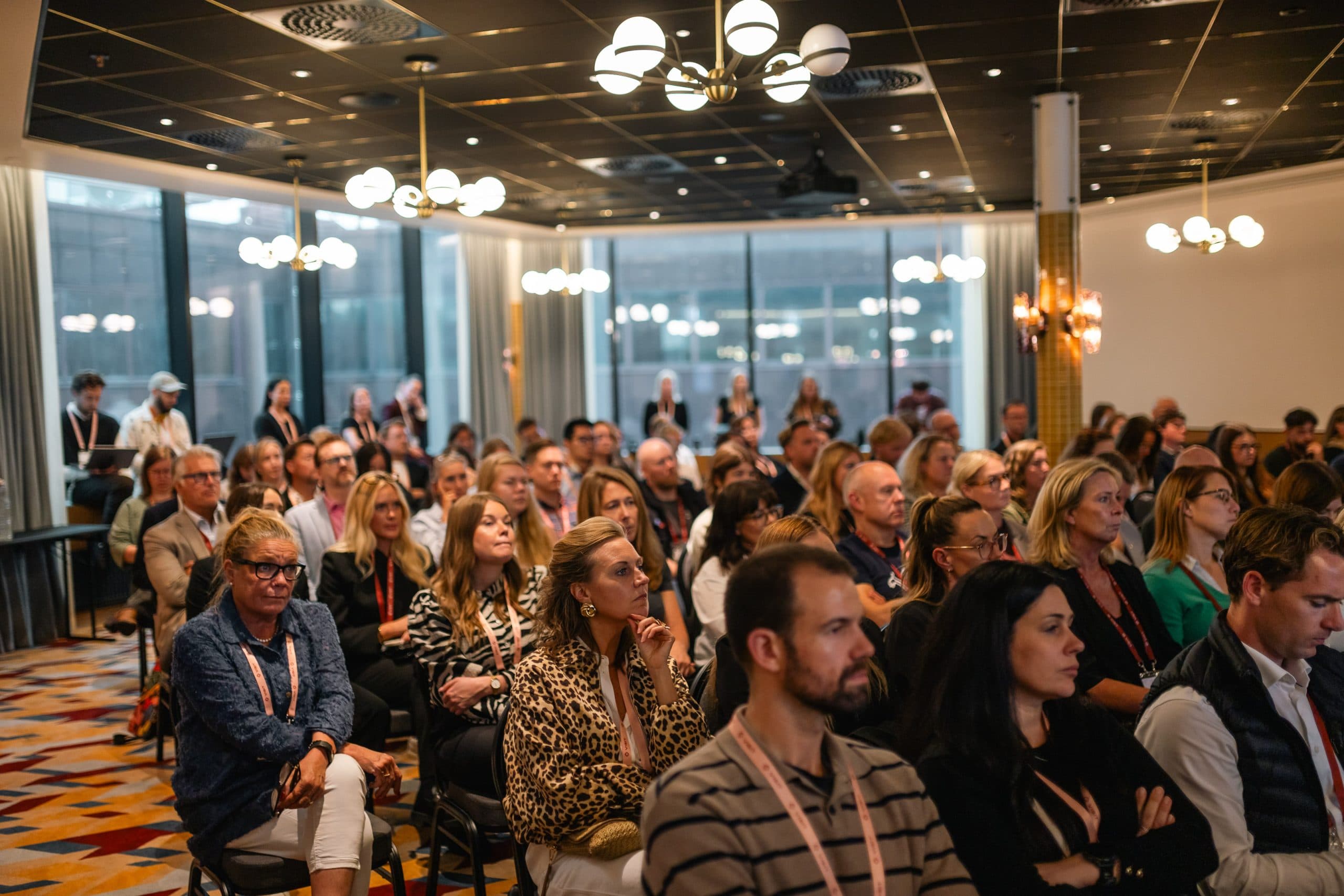
Agents are going to start booking travel. That was the thread running through VISIT Summit 2026, where over 400 people from the industry met in Gothenburg.

Entering the agentic era

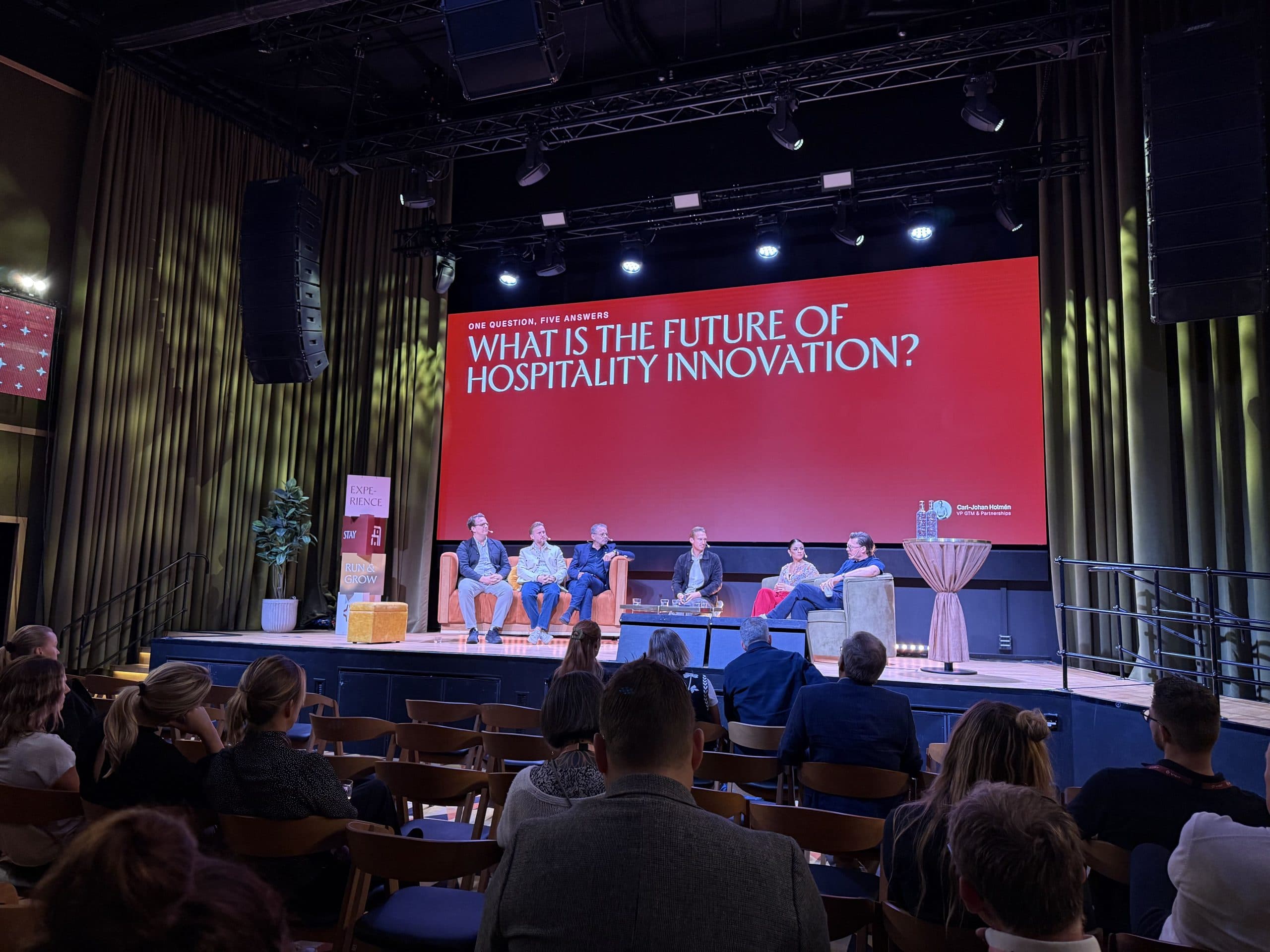
VISIT Summit 2026 brought the industry together in Gothenburg for three days of ideas, conversations and a shared look at what comes next.

The most important takeaway was clear from Carl-Johan Holmén, VP GTM & Partnerships in his opening keynote: the agentic era is here.

AI is changing how you run a travel business, and it is changing how you get chosen. Summit covered both. This one is about being chosen, and about who is actually doing the choosing now.

For decades, the way guests discover and buy travel has changed with the technology around them. In the desk era, a person sold a booking to another person, face to face. In the screen era, the guest took on much of the work, searching, comparing and completing the booking themselves.

The pattern underneath is the part worth noticing. Moving from the desk era to the screen era gave software to the supplier. Moving from the screen era to the agentic era gives software to the guest. What follows with this change is software talking to software, the next step from a world where people talked to people.

In the agentic era, software can act on a guest’s behalf. An AI agent can understand a request, search across sources, compare options, evaluate live availability and booking conditions, and increasingly complete the transaction. The guest may interact with a single conversational interface, while the complexity of discovery, consideration and payment happens underneath. This is not a distant prediction. It is already reshaping the guest journey.
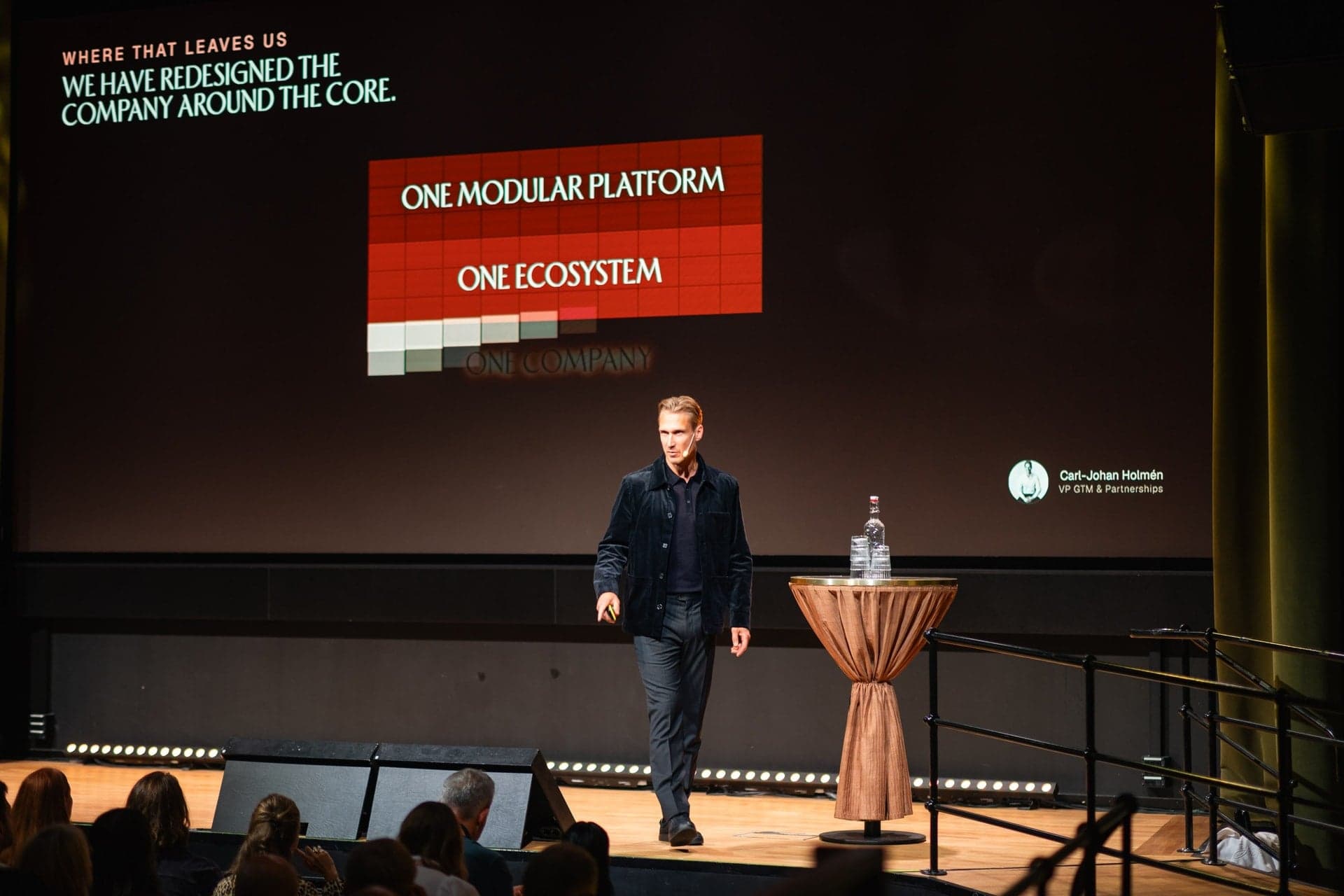
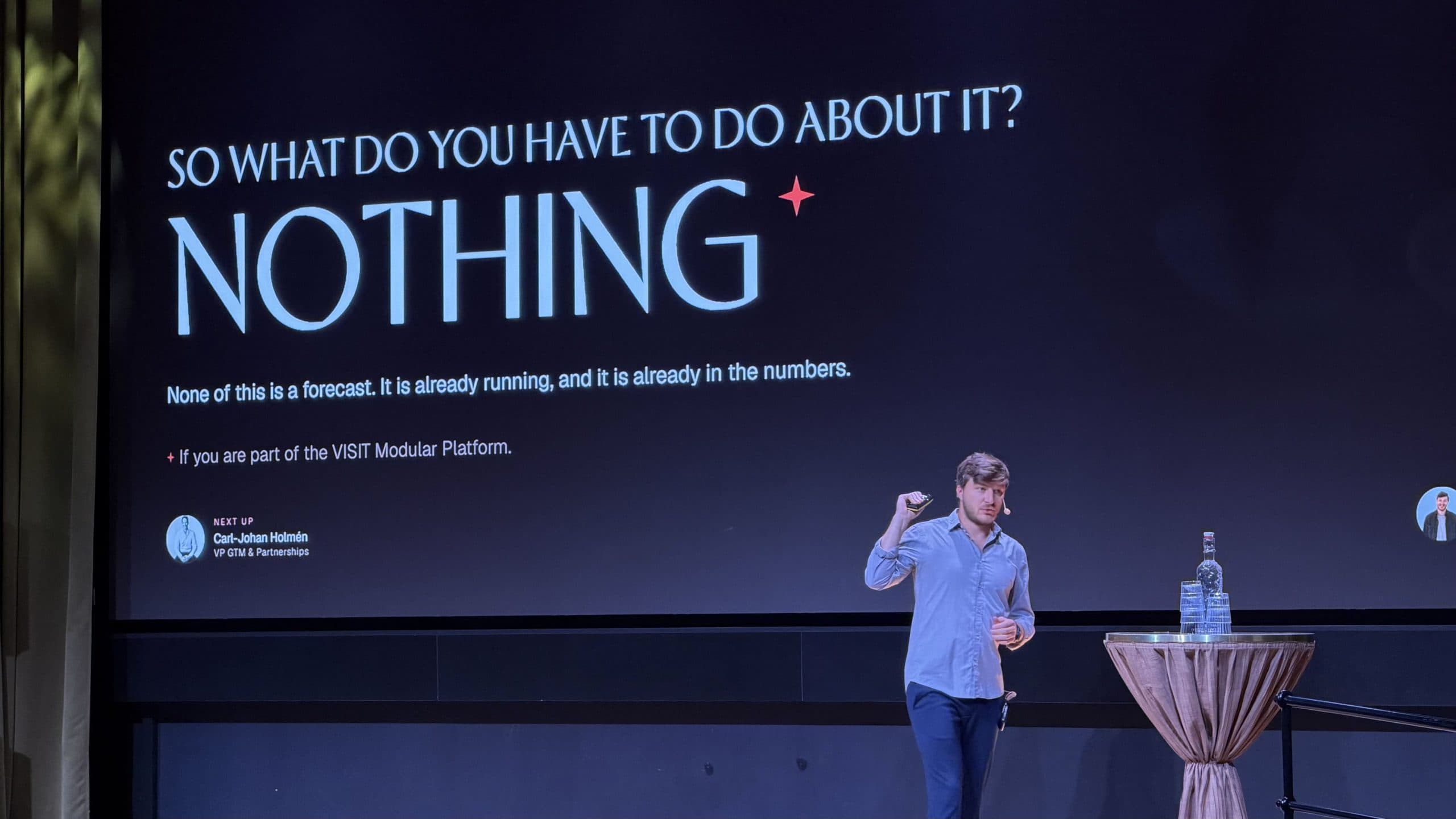
Carl-johan Holmén having a key note speach during VISIT Summit 2026. Talking about Agentic AI

From browsing to being chosen

Every guest journey contains familiar stages: dream, find, compare, book and experience. Until now, digital travel has largely depended on the guest moving through each of those stages on a screen. Agentic commerce changes that model, and it changes who does the work.

An agent does not browse the way a person does. It shortlists. It compares that shortlist against itself. It talks straight to the booking system to read availability, rates and inventory. It picks, and it books. Payment is next, and it is already moving.

Crucially, this is not a guest talking to a website. It is agent talking to your booking system, or, later in the development, another agent: one acting for the guest, another answering for the business. The conversation that used to happen across a desk, and then across a screen, now happens between two pieces of software, which means that no human visit your website anymore.

That creates a significant shift for travel, hospitality and experiences: being easy for a person to find is no longer enough. Businesses also need to be understandable, reachable and bookable by an agent.

There is a second, subtler requirement. Most travel websites are built for human feeling: the tone of the copy, the choice of images and video, the way a page is meant to make someone feel while they plan. That feeling still has to travel. It now has to be translated into something an agent can read, understand and pass on, so that it can carry the same sense of place to your future guest.

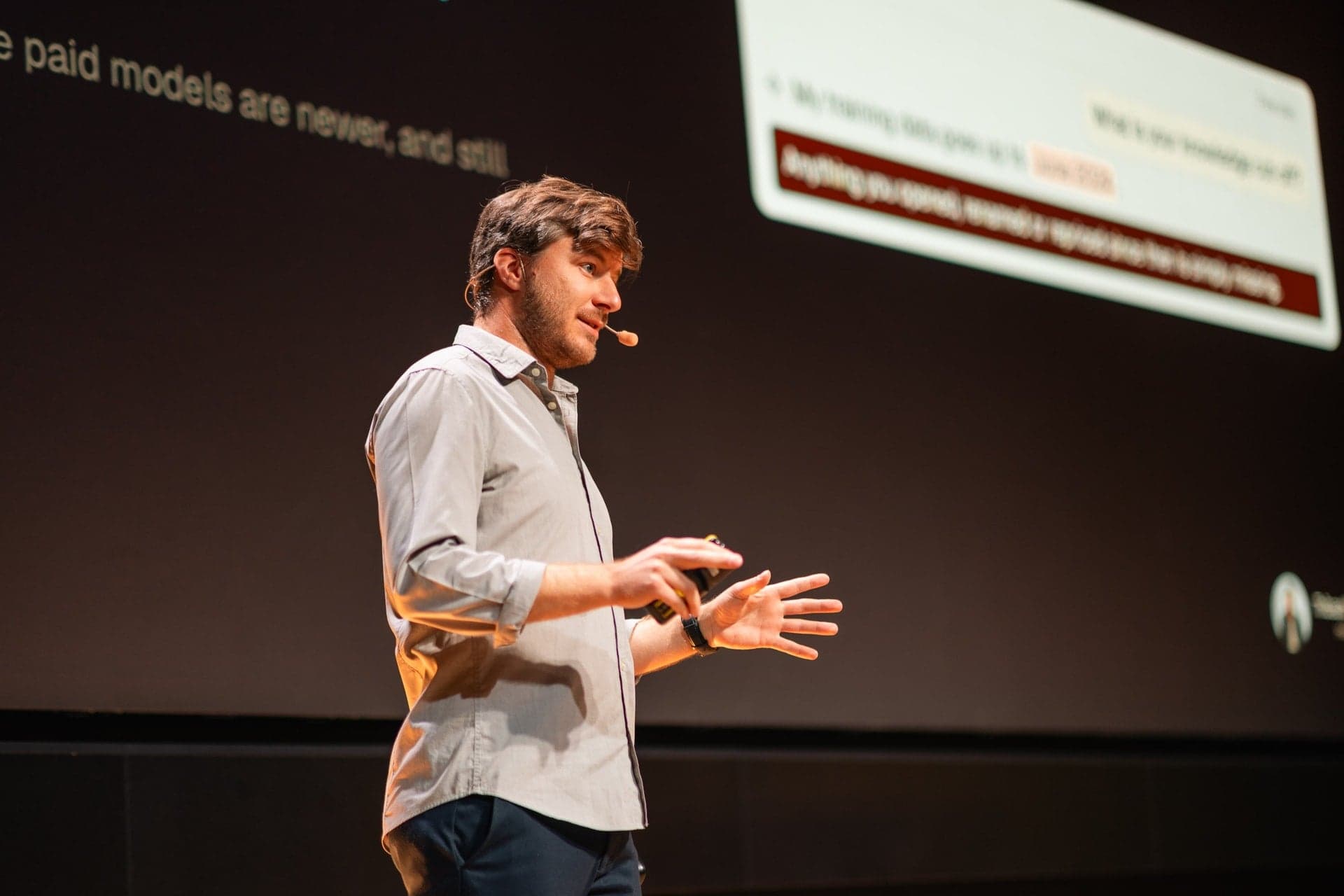
As Thibault Miclo, Head of AI at VISIT, framed it on stage: the question is no longer simply, “Can a guest find us online?” It is increasingly, “Can an agent confidently choose us, and complete the booking?” An agent with a goal will simply move on to the option where it can get the job done.

Live data becomes essential

For an agent to make a useful and trustworthy decision, it needs current information. Not information that was published months ago or embedded in an old webpage, but live availability, real rates, booking rules, cancellation terms and accurate inventory. This is why connected booking infrastructure matters more than ever. An agent needs to be able to ask a booking engine what is available, at what price and under which conditions. It needs to be able to hold inventory, complete a booking and trigger the confirmation and communication that follow. Payments also need to work securely in that same flow. In other words: even if nobody visits a website, the underlying systems still need to answer.

Ready for this era and the next

VISIT has always evolved alongside the industry. From the desk era to the screen era, VISIT has helped businesses meet guests where they are and turn demand into meaningful, direct relationships. Now, as the agentic era takes shape, that same commitment continues.

VISIT’s Modular Platform is designed around the connected capabilities businesses need: booking, payments, distribution, guest experience, revenue management, marketing automation, business intelligence and AI assistants. It brings these parts together in one ecosystem, with one company taking responsibility.

For VISIT’s customers, this means the foundations are already in place. Real inventory, live rates, bookings, payments and connected systems are not separate challenges to solve from scratch. They are part of a platform built to support the way commerce is changing.

The role of the guest will never disappear. The experience will always remain human and this shift opens up the possibility for new roles, making the experience even more personal. But the work of finding, comparing and booking is moving, one step at a time, into the new era. That is the defining shift of the next phase. And it is why VISIT is building not only for today’s guest journey, but for the one that comes next.

discover the full modular platform